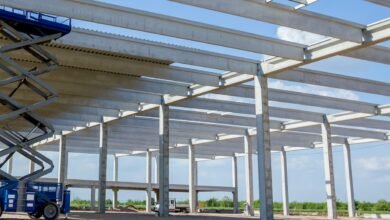
In today’s construction industry, safety practices have evolved far beyond the use of hard hats and harnesses. Modern construction sites leverage innovative solutions to prevent injuries, minimize hazards, and ensure regulatory compliance. These advances are making a significant impact not only on worker protection but also on project productivity and client satisfaction. For organizations seeking to keep pace with change and establish superior safety standards, exploring contemporary strategies is more important than ever. Discover best-in-class solutions and expert guidance at https://jrcousa.com, where safety and progress go hand-in-hand. The transformation of construction safety practices is being driven by a combination of emerging technologies, data analytics, forward-thinking design strategies, and enhanced training approaches. From real-time site monitoring to immersive safety programs, companies are adopting a holistic approach to both preventing and responding to jobsite risks. By harnessing these innovations, construction managers can foster safer environments while maintaining project timelines and budgets.
Integration of Technology in Safety Practices
The adoption of digital technologies has significantly enhanced construction safety. Connected Internet of Things (IoT) devices are now standard on many sites, enabling real-time monitoring of ambient conditions such as temperature, humidity, and carbon monoxide levels. These systems can trigger automatic alerts, expedite emergency responses, and enhance overall risk management by gathering meaningful data from every corner of the construction zone.
Additionally, mobile safety applications are replacing paper processes. Supervisors and field teams utilize smartphones and tablets to access critical information, submit incident reports, and ensure procedural compliance, thereby streamlining communication and enhancing accountability. These improvements are particularly valuable when regulatory bodies, such as the Occupational Safety and Health Administration (OSHA), conduct inspections or audit site safety history.
Prevention through Design (PtD)
The concept of Prevention through Design represents a forward-thinking paradigm shift for construction safety. Instead of merely responding to incidents, PtD aims to anticipate and eliminate hazards at the design phase of a project. Architects, engineers, and contractors work collaboratively to specify materials, construction methods, and site layouts that inherently reduce risks for workers and the public. This proactive mindset extends to maintenance and operation periods, lowering the potential for long-term hazards and occupational exposures. Research and case studies consistently highlight that integrating PtD strategies early can save both lives and money by minimizing costly redesigns and preventing accidents before work even begins.
Data-Driven Approaches to Risk Management
The explosion of available data has given rise to new predictive risk management techniques. By tracking near-misses, safety observations, and environmental data, digital platforms can reveal critical trends. Advanced analytics engines process this information to identify patterns and provide actionable insights for improving site safety protocols. This data-centric approach does more than just flag risks; it facilitates performance benchmarking across projects, helps prioritize corrective actions, and enables informed decision-making. Many firms are now leveraging solutions that automatically generate custom dashboards, allowing safety managers to intervene and prevent incidents long before a reportable accident occurs.
See also: Called by Scam or Business? Verify Now! 9362270383
Wearable Technology for Worker Safety
The use of wearable technology has surged, empowering real-time protection for individual workers. Smart helmets, vests, and wristbands come equipped with GPS, heart-rate monitors, and environmental sensors. These devices automatically detect falls, unsafe postures, extreme temperatures, or high levels of toxic gases, alerting both the wearer and on-site supervisors. Integrating wearables with centralized monitoring platforms provides project leaders with an unprecedented view into worker location and well-being, making rapid interventions possible and ensuring risks are addressed immediately, before injuries occur or hazardous conditions escalate.
Utilizing Drones for Site Inspections
Drones are transforming site inspection workflows by providing rapid, high-resolution surveys of large, complex, or dangerous environments. By capturing aerial imagery, video, and thermal scans, drones reduce the need for workers to enter high-risk areas, such as tall roofs, facades, or unstable ground.
In addition to improving safety, drone inspections deliver more accurate data, help verify project progress, and facilitate real-time decision-making by project managers and stakeholders. The capability to seamlessly integrate this data into Building Information Modeling (BIM) systems establishes a new standard for visibility and documentation on job sites.
Artificial Intelligence in Safety Monitoring
Artificial intelligence (AI) is enhancing safety oversight by automating complex assessments and surveillance. Machine learning algorithms can analyze images from cameras, identify unsafe behaviors, and even predict when and where incidents are likely to occur. AI-driven solutions also play a crucial role in the contractor prequalification process, evaluating safety histories and compliance according to a range of variables that far exceed the capabilities of manual methods.
As these systems continue to evolve, they act as force multipliers for safety professionals, ensuring critical issues are addressed swiftly while helping organizations maintain a strong safety culture at scale.
Advancements in Safety Training
Today’s safety training goes beyond presentations and manuals. Virtual reality (VR) platforms immerse workers in realistic jobsite scenarios, where they can practice hazard recognition and emergency responses in a safe, repeatable environment. These immersive sessions enhance engagement, improve retention, and foster confidence for both new and experienced workers. Modern training isn’t just about individual competency, as it cultivates a culture of shared responsibility, where the entire workforce is engaged in prevention. Many large construction companies credit these advancements with marked reductions in incident rates and increased workforce morale.
Conclusion
The future of construction safety lies in harnessing innovation, data, and proactive strategies to enhance safety. Organizations that prioritize digital tools, Prevention through Design, and dynamic training programs will not only safeguard their teams but also drive competitive project outcomes. By embracing these modern approaches, companies can build safer, more resilient structures, one project at a time.