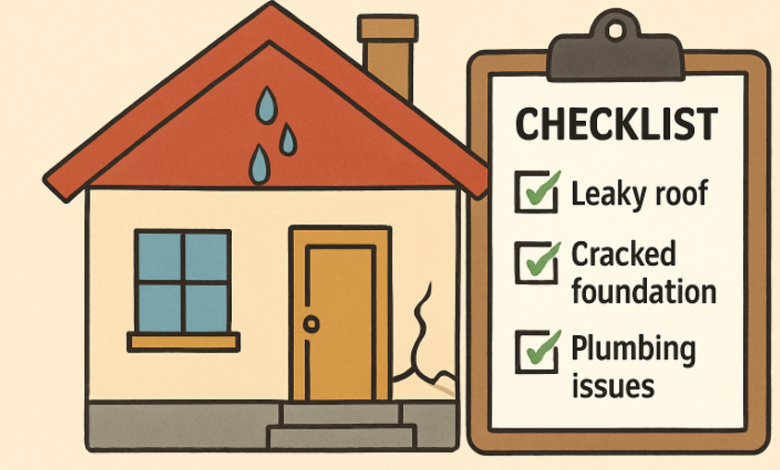
Understanding ‘As Is’ Property Sales
Selling a home “as is” can streamline the transaction process by presenting the property in its present condition, with no guarantees from the seller regarding repairs or improvements. This approach is often attractive to buyers seeking potential bargains or investment opportunities, especially in fast-moving markets or for properties in need of renovation. However, sellers need to clarify what “as is” truly means to avoid misconceptions and set accurate expectations with buyers. Homeowners in markets like Portsmouth, Virginia, benefit from understanding these terms before proceeding. To learn more about streamlining your sales process, explore your options here: https://www.oneillhomebuyers.com/sell-your-house-in-portsmouth-virginia/.
Selling a home “as is” does not exempt sellers from legal disclosure obligations. Sellers must still reveal any known material defects to ensure fair and transparent transactions, while buyers should actively investigate the property’s condition. Working with experienced real estate professionals helps both parties navigate these requirements and avoid potential disputes, which is especially important in competitive markets.
Mandatory Disclosures in ‘As Is’ Sales
Regardless of “as is” status, sellers are legally obligated to provide detailed disclosures about any known defects that could impact a property’s value or safety. These include, but are not limited to, structural issues, past water damage, electrical or plumbing faults, roof leaks, presence of mold or asbestos, and environmental hazards. In many states, such as California, filling out a Transfer Disclosure Statement (TDS) is compulsory, detailing issues both obvious and hidden to prospective buyers. Such transparency helps buyers make informed decisions and increases seller credibility. For homeowners looking to sell quickly without the hassle of extensive repairs or staging, companies like O’Neill Home Buyers – VA offer cash offers while still ensuring all necessary disclosures are respected, providing a smoother and more predictable selling experience. Additionally, working with a reputable cash buyer can reduce the stress and uncertainty often associated with traditional home sales. This approach allows sellers to close faster and move forward with confidence.
Key Defects That Must Be Disclosed
- Structural damage or foundation concerns
- Plumbing, electrical, or HVAC system issues
- Roof age and known leaks
- Evidence of mold, pest infestations, or water damage
- Environmental issues (e.g., radon, asbestos)
State-Specific Disclosure Requirements
Disclosure requirements differ significantly across states, making it essential for sellers to familiarize themselves with local regulations. According to Justia, homeowners preparing to sell generally must provide buyers with a report disclosing any material defects or hazards on the property. For instance, Florida law requires disclosure of any material defect that is not readily discoverable by the buyer, while Texas and other states have their own specific forms and criteria. In some jurisdictions, even “as is” contracts do not waive the necessity for clear and honest disclosure. Failing to comply with these requirements can not only risk the sale but also expose the seller to legal liability.
Consequences of Non-Disclosure
Sellers who neglect to disclose known defects risk facing serious legal and financial consequences. Buyers who discover an undisclosed problem after the sale may sue for misrepresentation, fraud, or breach of contract. Outcomes include financial compensation, forced repairs, or even reversal of the sale. Beyond immediate losses, a seller’s reputation can be tarnished, complicating any future dealings in the real estate market. State laws are clear that disclosure is not optional, making honesty the best approach when listing your property “as is.”
See also: The Role of a Real Estate Lawyer in Property Transactions
Benefits of Full Disclosure
- Building Trust: Full disclosure establishes trust, which is a solid foundation for all real estate transactions. Buyers confident in a seller’s honesty are more likely to close deals quickly and amicably.
- Legal Protection: Thorough documentation of known defects reduces the risk of post-sale disputes and potential legal battles.
- Marketability: A transparent sale attracts more serious buyers, including those who may view the property’s issues as opportunities for value-adding renovation.
Importance of Home Inspections
Seller disclosures are critical, but they are not a substitute for a professional home inspection. Even diligent sellers and agents may overlook or be unaware of hidden defects. Buyers are strongly encouraged to hire an independent, certified inspector to conduct a comprehensive evaluation. Inspections can reveal issues that affect property value, safety, and insurability. This due diligence step not only protects buyers but also minimizes the risk of unpleasant surprises down the line.
Conclusion
Selling a property “as is” can simplify negotiations, but never exempts sellers from the obligation to disclose known defects. Navigating these disclosure requirements with care and transparency is essential for smooth, dispute-free transactions. Consulting with experienced real estate professionals and staying informed on both local and state-specific regulations are the surest ways to protect your interests and build trust with buyers, ensuring a successful outcome for all parties involved.