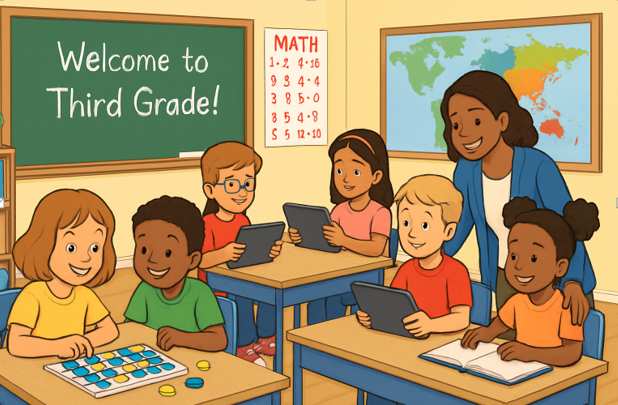
Third grade marks a pivotal transition, where students sharpen foundational skills and begin making connections across subjects. To meet their diverse needs, educators must leverage a combination of hands-on activities, technology, and creative group work. By making lessons engaging and interactive, educators can ensure students not only retain information but also cultivate a genuine love for learning. When planning your classroom activities, exploring resources like third-grade lesson plans can spark inspiration and provide ready-to-use ideas tailored to this age group.
Students in third grade benefit from a varied learning approach that integrates collaboration, the arts, and movement into curriculum goals. The classroom environment should support students’ growing curiosity while helping them develop practical critical thinking and problem-solving skills. By integrating both traditional and digital tools, teachers can create a learning space where every child thrives.
Creating an inclusive third-grade experience involves a broad range of strategies, such as math games and science journaling, that allow for differentiation and individual expression. When teachers prioritize these strategies in everyday routines, students are more likely to be motivated, focused, and ready to tackle more challenging concepts as they progress through their educational journey.
Interactive Math Games
Game-based learning in math not only brings excitement but also transforms how students relate to abstract concepts. Strategies like “Fraction Bingo” and “Math Jeopardy,” as well as digital platforms such as Prodigy and Math Playground, allow students to practice multiplication, division, and fractions in a collaborative or competitive setting. These math games foster active participation, reinforce fluency, and help solidify understanding by turning lessons into fun challenges.
Digital Storytelling
Storytelling in the digital age is a powerful tool for literacy and creativity. With platforms like Wixie, students learn to combine written text, images, narration, and audio effects to create imaginative narratives or demonstrate what they’ve learned in social studies, science, or ELA. As experts have highlighted, AI is a tool that can sharpen storytelling, offering new ways for students to develop plots, characters, and narrative flow while still exercising their creativity. Digital storytelling allows for personalized expression and empowers quieter voices to shine. Integrating this practice also helps students build critical digital skills that are increasingly valuable in higher grades and beyond.
Science Journaling
Encouraging students to maintain science journals gives them the opportunity to become young scientists by recording observations, noting questions, and reflecting on experiments. This approach not only supports inquiry-based learning but also strengthens students’ observation and note-taking skills. Weekly STEM activities, such as constructing simple machines or exploring natural phenomena, can provide exciting content for their journals. These activities build analytical skills and reinforce lessons in a tangible, memorable way.
See also: How to Sell a House As-Is: Honest Advice for Today’s Homeowners
Peer Learning Activities
Learning from and with peers brings its own set of academic and social benefits. Third-grade teachers can structure group projects, think-pair-share discussions, or peer tutoring sessions to promote collaboration and build communication skills. When students work together, they often discover new perspectives and deepen their understanding of the material. Peer learning also builds classroom cohesion, helping each student feel valued and supported.
Arts Integration
Blending visual arts, music, and drama into academic content can enhance retention and enjoyment. For instance, using music to reinforce multiplication tables or crafting dioramas to illustrate a science lesson sparks creativity and taps into multiple learning styles. Arts integration makes abstract content more approachable and memorable, helping students anchor knowledge in vivid, sensory experiences. Re-enacting historical moments or authoring short plays about storybook characters can further make the curriculum more engaging and personal for each learner.
Technology Integration
Introducing third graders to age-appropriate coding and robotics opens a world of logical thinking and problem-solving. Devices like Bee-Bot and Code-a-pillar help explain sequencing, patterns, and fundamental programming principles. Digital platforms and educational apps can help differentiate instruction, meet students where they are, and keep lessons fresh and relevant. Technology seamlessly supports both individualized learning and group exploration, increasing excitement and confidence with each successful challenge solved.
Brain Breaks
Younger students often need frequent opportunities to recharge. Incorporating structured brain breaks—such as movement games, guided breathing, or even a dance-along session—helps release pent-up energy and restore focus. These activities can reduce classroom stress, sharpen attention, and make learning more sustainable throughout long school days. A mindful brain break routine ensures students return to tasks more alert, with minds primed for learning.
Creating an Inspiring Classroom Environment
The physical classroom environment sets the tone for learning. A cozy reading nook, colorful wall displays, and interactive inquiry stations can transform a room into an inspiring space where students feel safe and eager to learn. Displaying student work, providing hands-on learning materials, and fostering flexible seating help meet individual needs and signal that students’ ideas are valued. Cultivating such a space encourages curiosity, risk-taking, and a sense of ownership over learning.
Integrating these fun and practical strategies enables third-grade teachers to nurture a classroom culture where students thrive academically, socially, and emotionally. Emphasizing play, movement, creativity, and collaboration empowers every child to feel successful and invested in their educational journey.

