Why Speed Matters in Emergency Restoration
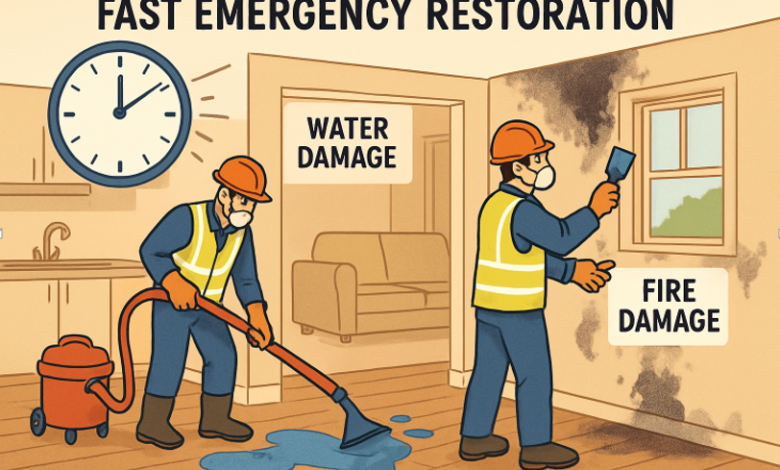
A disaster’s aftermath—whether caused by fire, storms, or flooding—demands immediate attention. The longer water, smoke, or contaminants remain, the deeper and more expensive the damage becomes. Restoration experts know that a rapid response is essential for stopping escalating problems, ultimately preserving property and health. Choosing to learn more about expert restoration services can help you safeguard your property before permanent damage sets in. Damage from fire and water can begin worsening within hours. For example, standing water leads to wall and flooring deterioration and forms ideal conditions for mold in as little as one to two days. The American Red Cross emphasizes that swift action immediately following a disaster is critical to prevent loss of salvageable property and avoid unnecessary long-term repair costs.
Essential Steps in Emergency Restoration
- Assessment: Restoration professionals start by evaluating the scope and type of damage, identifying immediate risks, and prioritizing actions.
- Securing the Area: Barriers, tarps, and appropriate safety gear are deployed to safeguard residents and restoration crews.
- Water Extraction and Drying: Industrial-grade pumps and dehumidifiers efficiently eliminate standing water and moisture.
- Debris Removal: Damaged and irreparable materials are carefully removed to clear hazards and speed recovery.
- Cleaning and Sanitizing: Specialized cleaning agents decontaminate surfaces and personal belongings.
- Repair and Restoration: Crews rebuilt, repaired, and refinished the affected areas, restoring the property’s full functionality and safety.
Adhering to this systematic approach ensures that every threat is addressed immediately, making the entire restoration faster and more effective, and dramatically reducing the likelihood of hidden issues resurfacing later.
Health and Safety Risks After a Disaster
Structural damage, water intrusion, and fire residues all present serious health hazards. Contaminated floodwater often harbors dangerous pathogens, while smoke, soot, and mold spores are linked to respiratory problems and long-term health complications. Addressing these dangers quickly through professional cleanup and indoor air quality management is non-negotiable. The Environmental Protection Agency’s mold remediation guide highlights the need for comprehensive cleanup to ensure immediate and lasting safety.
See also: Welcome to the Future: Your Home is Now a Superhero (Thanks to Smart Home
How Technology Is Transforming Restoration Efforts
Modern tools and advancements are making emergency restoration more effective. Drones can survey roofs and hard-to-reach areas in minutes, while thermal cameras and moisture meters detect hidden leaks and structural weaknesses. Air scrubbers swiftly filter airborne contaminants, dramatically improving a space’s safety. Additionally, restoration companies can provide property owners with digital documentation of damage and repairs, making it easier to track progress and validate insurance claims. Throughout all stages of restoration, these technologies contribute to a higher standard of service and peace of mind for home and business owners.
Choosing the Right Restoration Professionals
The expertise and preparedness of your restoration team are crucial. Look for companies certified by industry organizations, with a history of success and verifiable reviews. Top-tier professionals routinely update their skills to stay current with new risks and technologies. They’ll also provide clear contracts and maintain strong communication from start to finish. Don’t hesitate to inquire about their experience with your restoration needs and compliance with industry regulations set by groups such as the Institute of Inspection, Cleaning, and Restoration Certification (IICRC).
Proactive Prevention and Preparedness
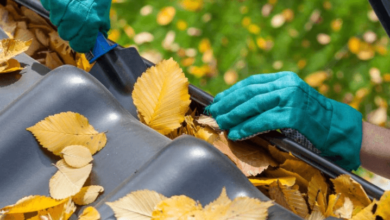
Risk mitigation begins long before disaster strikes. Installing sump pumps, regularly maintaining roofs and gutters, and deploying water- or fire-resistant materials are practical steps that can save property and lives. Creating a detailed inventory of valuables, developing an emergency communications plan, and preparing go-bags with essentials can make a meaningful difference during a crisis. The Federal Emergency Management Agency’s updates on disaster preparedness provide valuable, up-to-date advice for staying ahead of risks.
Working With Insurance Through the Restoration Process
Managing claims after a disaster can be overwhelming for property owners. Document damage meticulously with photos, videos, and receipts to support your claim. Establish early and open communication with your insurance adjuster and keep records of every conversation. Restoration professionals can sometimes mediate on your behalf, ensuring all damage is addressed and claims are resolved efficiently and fairly. Proactive documentation and a clear understanding of your policy are key to a smoother claims experience.
Real-Life Examples of Swift Emergency Restoration
The impact of immediate restoration is evident in real scenarios. When a local business experienced a burst pipe overnight, prompt disaster response and industrial drying enabled them to reopen in just a few days, rather than facing prolonged closure. Similarly, following a wildfire, a family’s quick engagement of restoration experts minimized secondary water and mold problems, preserving their home’s structure and peace of mind. Stories like these underline how rapid emergency restoration limits financial loss and supports a smoother emotional recovery.
Conclusion
Emergency restoration is more than just repairing visible damage—it is a strategic process that safeguards health, preserves property, and accelerates recovery. Every step is vital in minimizing long-term risks, from rapid response and hazard removal to leveraging advanced technology and skilled professionals. Homeowners and businesses that prepare proactively and work closely with certified experts are better positioned to navigate disasters with resilience. By combining readiness, professional expertise, and the right tools, restoration efforts can turn a moment of crisis into a pathway toward stability and renewal.